
Breguet in Literature: Pushkin, Balzac and Dumas
More actions
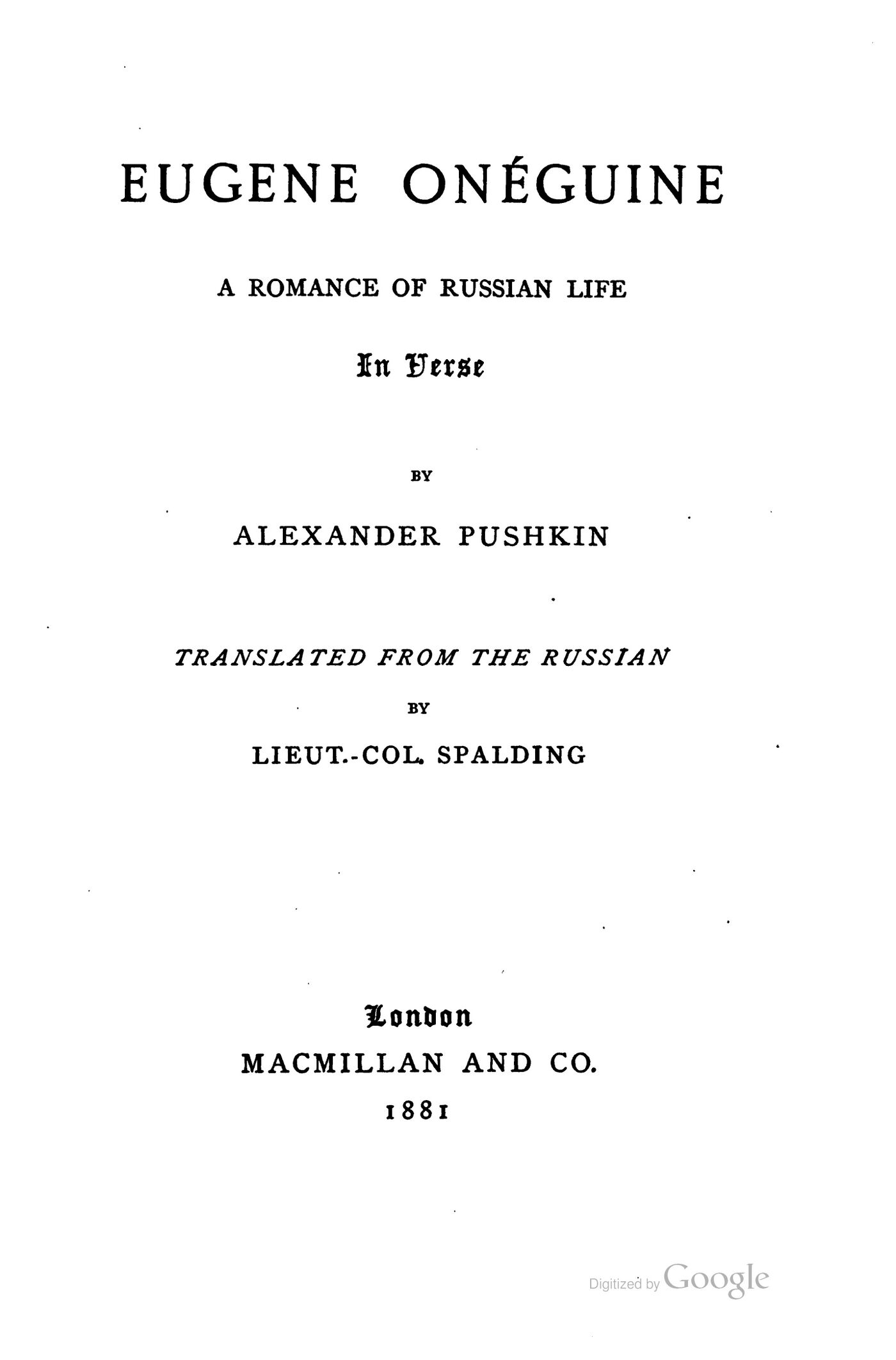
In the first chapter of Eugene Onegin, a watch interrupts a fashionable young man’s stroll. Henry Spalding’s English translation has the Breguet announce dinner; two stanzas later, it signals the beginning of the theatrical performance. Onegin’s day is crowded with entertainments, and the watch keeps him moving between them. (Alexander Pushkin, translated by Henry Spalding, chapter 1, stanzas XII–XIV)
Onegin’s audible appointments
Spalding calls the Breguet sleepless and sonorous. Those choices give the watch an audible presence while its owner loiters, eats and goes to the theatre. His accompanying note explains that the celebrated watchmaker’s name had also become slang for a watch. That note leaves open whether the name identifies an individual Breguet or uses the maker as shorthand. The translation supplies no precise striking mechanism.
Onegin has several places to be, but the passage gives no urgent business to transact. The sound punctuates his leisure.
Delphine’s hourly reminder
In Father Goriot, Eugène de Rastignac opens a small case and finds a Breguet wrapped in a note from Delphine. Ellen Marriage’s translation makes the request direct: “I want you to think of me every hour.” The gift arrives amid arrangements for his new lodgings, with Goriot enthusiastically helping his daughter. (Honoré de Balzac, translated by Ellen Marriage, the watch gift in Rastignac’s room)
Delphine personalizes the gift: Rastignac’s arms appear in enamel inside the gold case, and Balzac notices the chain and key as well as the workmanship. The declaration itself is on the accompanying paper. The watch combines the possession he has wanted with a reminder of the person who has provided it; no model is specified.

Danglars hears the morning
Danglars has a more immediate need in The Count of Monte Cristo. Chapter 115 of the Project Gutenberg English text identifies his watch as a Breguet repeater and has it strike half past five. Daylight cannot reach his cell, so the watch is his means of knowing the time. (Alexandre Dumas, chapter 115)
The contrast with Onegin is sharp: one man hears the next entertainment approaching; the other is imprisoned underground. Dumas gives the mechanism a practical reason to be there. The repeater gives him a time check where an ordinary dial would be unreadable.
