Watches in Literature: What the Text Actually Says
More actions
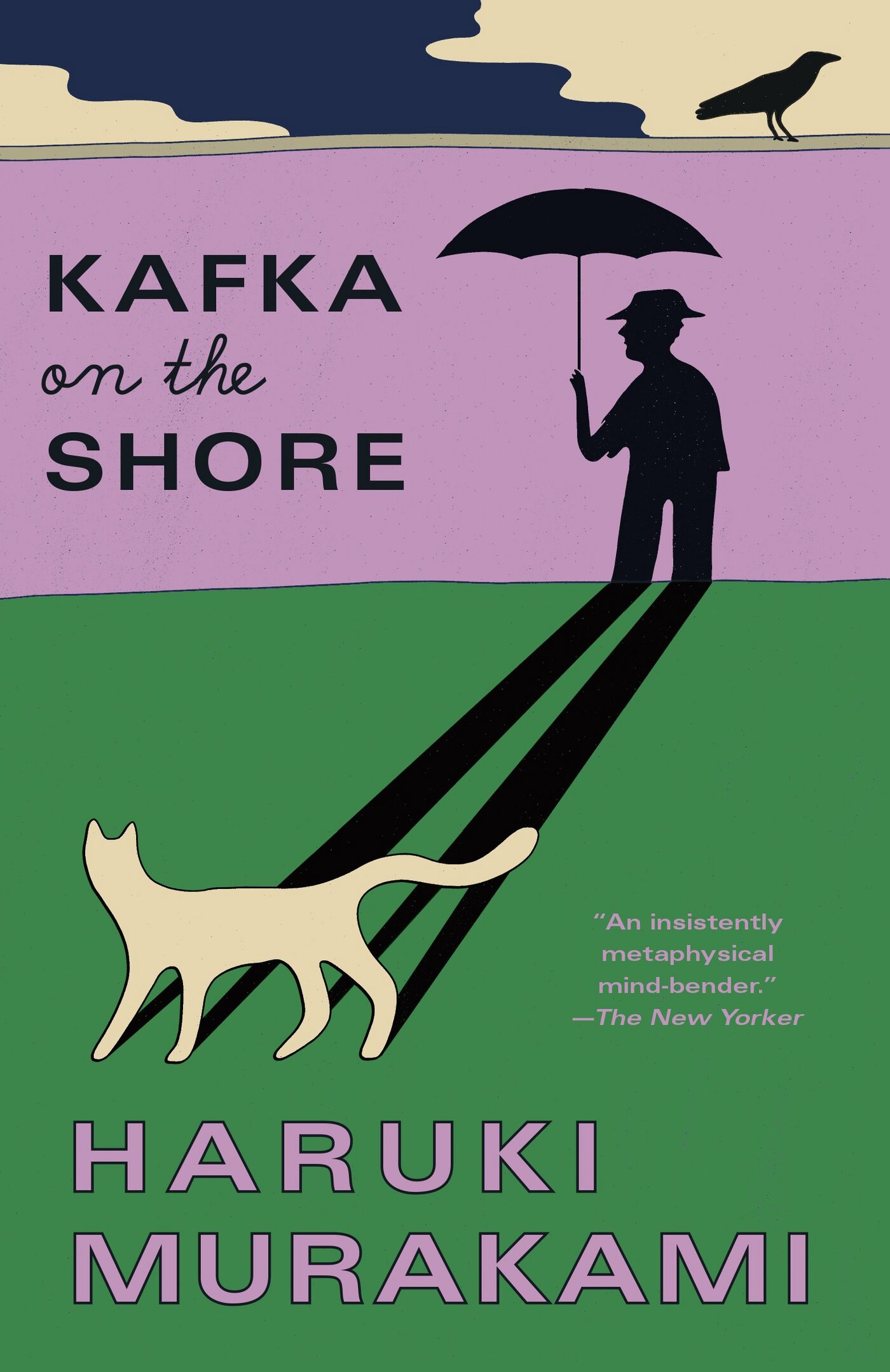
The Rolex Sea-Dweller in Haruki Murakami’s Kafka on the Shore belongs to the runaway’s father. Kafka considers taking it, worries about attracting attention, and puts it back. He chooses his plastic Casio instead. Calling the Sea-Dweller “Kafka’s watch” loses the decision at the center of the passage. (Penguin Random House, Philip Gabriel translation, opening excerpt)
A named maker, an unnamed model
Ian Fleming gives Bond a Rolex beneath the Secatur in Live and Let Die. Bond reads the time before choosing a seven-hour fuse for his mine. The watch is doing a recognizable job underwater, but the passage supplies no model. A reader familiar with Bond’s later screen watches may picture a Submariner; Fleming’s sentence does not provide the bezel, dial or reference needed to confirm that picture. (Ian Fleming, chapter 19)
The temptation to supply a model from the film adaptation also appears in the American Psycho Rolex identification essay: a familiar film image and a novel’s brand name can acquire a supposed reference when repeated together.

A complication that the scene needs
In The Count of Monte Cristo, Danglars’ Breguet repeater tells him it is half past five. The cited English text immediately explains why he needs it: no daylight reaches his cell. The audible indication gives him knowledge that looking outside cannot supply. Here the mechanism is part of the predicament, even though no numbered watch is identified. (Alexandre Dumas, Project Gutenberg text, chapter 115)
A photograph of an attractive antique Breguet could illustrate the kind of object, but it would add a case and dial that the passage has not described. The text is already exact about the feature doing the work.
