
Stephen King’s Watches: Timex, Pulsar and Everyday Timekeeping
More actions
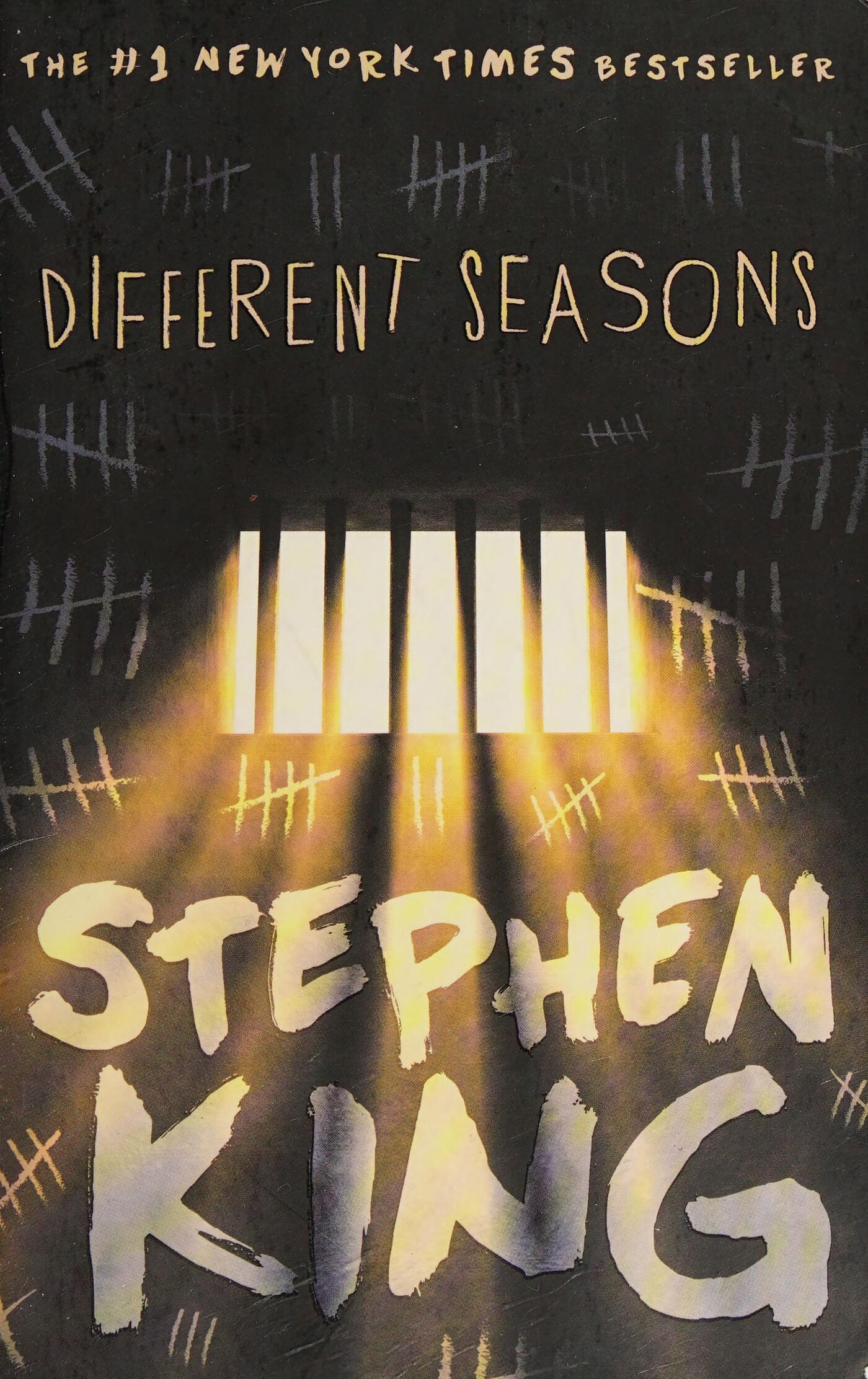
Todd Bowden checks a Timex while waiting outside Arthur Denker’s door in “Apt Pupil,” one of the novellas in Different Seasons. The watch was a premium for selling personalized greeting cards. At twelve past ten, Todd expects the old man to be awake. After another thirty seconds without an answer, he presses the bell again and watches the sweep second hand. He holds it for seventy-one seconds before hearing footsteps. (Simon & Schuster, opening excerpt)
The watch fits the industrious boy introduced on the first page: a paper route, good grades and greeting-card sales. At the door, that industriousness becomes persistence directed at someone who has not answered him. Todd can measure exactly how long he has been making himself heard. King names the brand and describes the second hand, but gives no Timex model.
A Pulsar without a trustworthy time
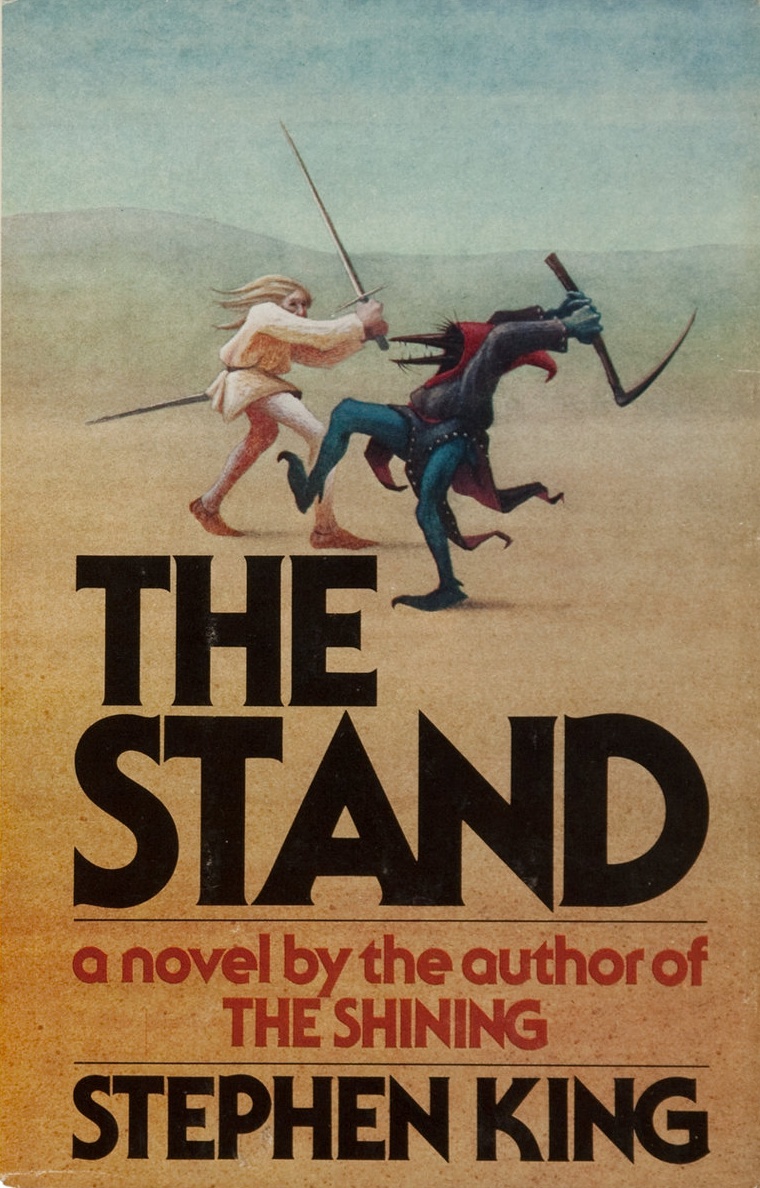
Lucy’s Pulsar in The Stand presents a different problem. In their study of survival in post-apocalyptic fiction, Zena Dhia Mohammed and Sabrina Abdulkadhom Abdulridha discuss her complaint about a thousand-dollar watch that no longer has the right time. Their account places it among the survivors’ conflicting clocks and uncertainty about which time to trust. (“The Mechanism of Survival in Post-Apocalyptic Pandemic Narratives: A Comparative Study,” p. 1238)
The price belongs to Lucy’s complaint, not to a verified retail specification. The discussion names Pulsar without establishing a model or reference. A photograph of a particular Hamilton Pulsar would supply an identification that this evidence does not.
Todd needs elapsed seconds, which he can read on his own wrist. Lucy needs something outside her watch: an agreed time against which to set it.